Table of Contents
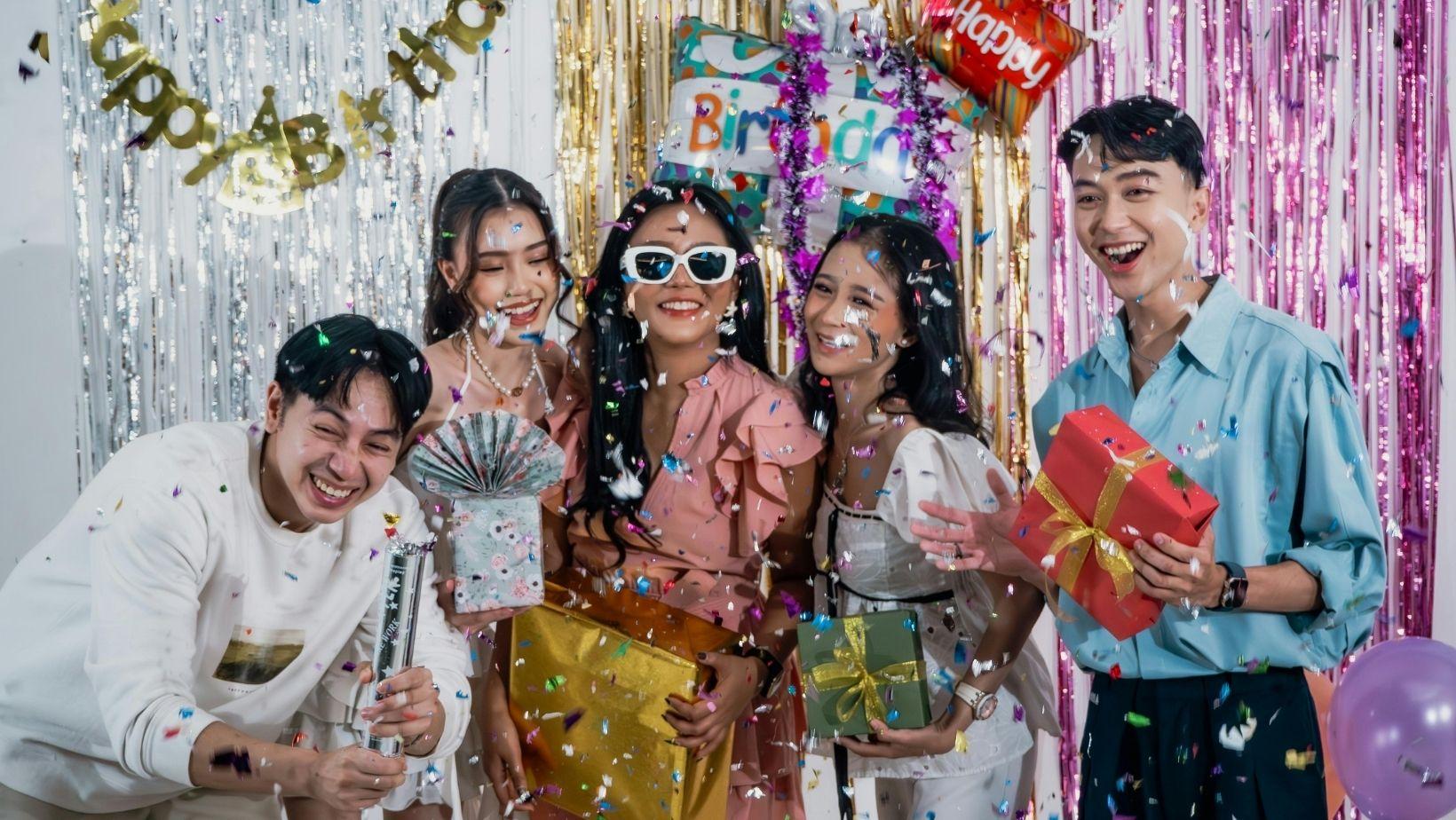
ToggleThrowing a great party without alcohol is entirely possible—and often results in a more creative, connected, and energetic experience. When the focus shifts away from drinking, you get more room to build atmosphere, plan interactive moments, and design an event that people actually remember for the experience itself rather than what was in their glass.
Start with a Clear Concept
Every strong party begins with intention. Decide what kind of feeling you want your event to have: relaxed and cozy, high-energy and playful, or themed and immersive. This helps guide every decision, from lighting and music to food and activities.
Your guest list matters just as much as your theme. Invite people who are open to social experiences without alcohol and who enjoy participating in group activities. When guests understand the tone in advance, they are more likely to engage fully instead of expecting a traditional party structure.
A theme can help tie everything together. Whether it’s a summer garden night, retro arcade vibe, tropical escape, or movie marathon setup, a clear concept gives guests something to connect with and makes the event feel more intentional.
Design a Creative Drink Station
Even without alcohol, drinks can still be a major highlight. Instead of offering standard soft drinks, build a visually appealing mocktail or beverage station where guests can explore flavors and combinations.
Think fresh fruit spritzers, herbal iced teas, citrus blends, infused waters, and sparkling juice mixes. Add visual appeal with sliced fruit, herbs like mint or basil, colorful straws, and decorative ice cubes.
You can also turn this into an interactive experience by letting guests build their own drinks. A DIY drink bar encourages conversation and creativity, which naturally keeps energy high throughout the evening.
In some modern social settings people may also encounter alternative beverage trends offering guests to enjoy THC mixers.
Make Food the Centerpiece
Without alcohol, food naturally becomes one of the most important parts of the experience. Instead of simple snacks, think about offerings that encourage sharing and interaction.
Finger foods, tapas-style plates, mini sandwiches, sushi platters, and build-your-own food stations all work well. Interactive setups like taco bars, pasta stations, or dessert decorating tables are especially effective because they get guests moving and talking.
Presentation is just as important as flavor. Bright colors, varied textures, and creative plating make the food feel like part of the entertainment rather than just fuel for the night.
Keep Guests Engaged with Activities
Entertainment is essential for maintaining energy at an alcohol-free party. Without drinks acting as a focal point, activities become the main social glue.
Classic games like trivia, charades, board games, or karaoke are always reliable. For more active groups, consider outdoor games such as volleyball, cornhole, or badminton. Creative guests might enjoy painting corners, DIY craft stations, or group cooking challenges.
Music should also evolve with the night. Start with softer background tracks during arrival and dining, then gradually shift to more upbeat music as the evening progresses. A strong playlist can completely shape the mood of the event.
Build the Right Atmosphere
Atmosphere is what transforms a gathering into an experience. Lighting plays a huge role—warm tones from string lights, candles, or lamps instantly make a space feel more welcoming and relaxed.
Decor doesn’t need to be expensive to be effective. Even small touches like themed table setups, fresh flowers, or fabric draping can make a big impact. The goal is to create an environment that feels intentional and immersive.
Comfort is equally important. Make sure there is enough seating, space for movement, and areas where guests can naturally form small groups and conversations.
Encourage Natural Social Flow
Without alcohol as a social lubricant, it helps to intentionally design ways for people to connect. Icebreaker questions, group games, or shared challenges can make introductions feel natural rather than forced.
You can also structure the evening in phases: start with food and casual conversation, move into games or activities, and end with music or relaxed social time. This flow helps prevent awkward pauses and keeps energy consistent.
End the Night with Meaning
A thoughtful ending makes a party feel complete. Instead of letting things slowly fade out, plan a final shared moment such as dessert together, a group photo, or a short reflection where guests share highlights of the night.
Small gestures like giving guests a snack to take home or a printed photo can also leave a lasting impression. These details help transform a simple gathering into something memorable.
Ultimately, organizing a party without alcohol is about focusing on creativity, connection, and atmosphere. When those elements are prioritized, the result is an event that feels lively, inclusive, and genuinely unforgettable.